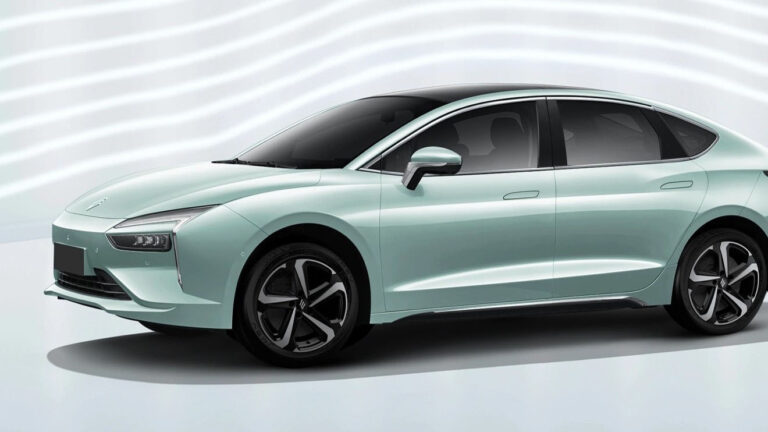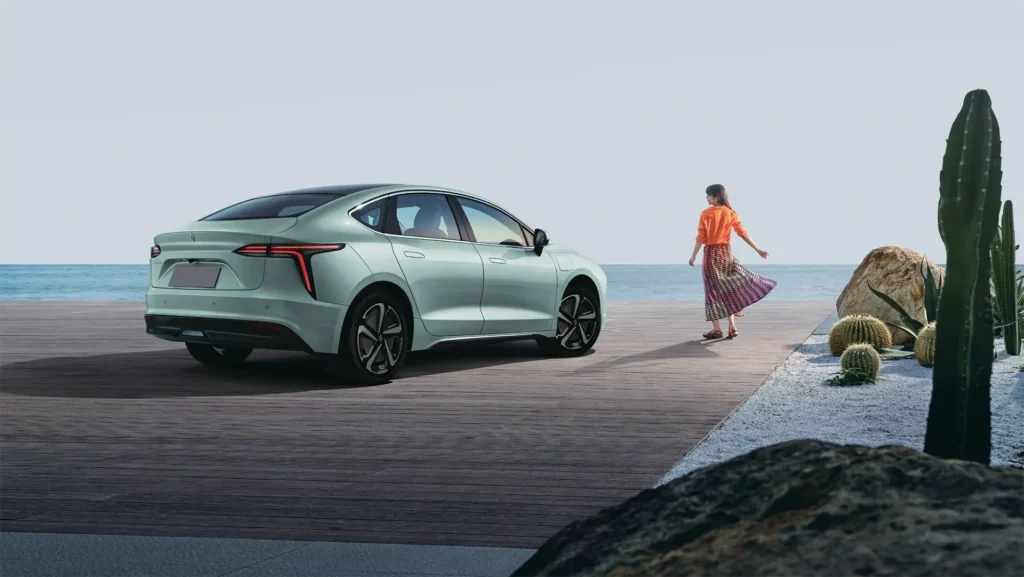
Sri Lanka’s monsoon seasons bring heavy rainfall that requires specific care considerations for electric vehicle owners. However, JMEV electric vehicles from GS EVO Motors are engineered with robust waterproofing and safety features that make them perfectly suitable for monsoon driving when proper precautions are followed.
Understanding EV Water Resistance
Modern electric vehicles including JMEV models are engineered with comprehensive waterproofing measures. Key components including the battery pack, electrical wiring, motors, and connectors are sealed and rated according to IP (Ingress Protection) standards. Most EVs achieve IP65, IP67, or IP68 ratings, indicating high levels of protection against dust and water.
An IP67 rating means the vehicle’s electrical components can withstand immersion in water up to one meter deep for 30 minutes without damage, providing strong protection against rain and splashes. IP68 certification provides even greater protection with complete dust protection and resistance to continuous water submersion.
Dispelling Common Monsoon Myths
Several misconceptions about EVs and rain cause unnecessary concern among potential buyers. Let’s address the facts:
Myth: EVs cannot operate in rain
Reality: EVs including JMEV models are tested extensively under various weather conditions including heavy rain. They are designed to operate safely in wet conditions with waterproof batteries and sealed electrical systems.
Myth: Charging an EV in rain is dangerous
Reality: EV charging equipment including ChargeNet’s stations and home chargers are weatherproof and built to prevent electrical hazards even in rain. Modern charging systems include multiple safety mechanisms that interrupt current flow if any water breach is detected.
Myth: EVs are more prone to water damage than petrol vehicles
Reality: Modern EVs with IP-rated components and protective seals are actually well-protected against water damage. Petrol vehicles also suffer severe damage from flooding, and the safety precautions are similar for both types.
Myth: Using wipers, lights, and defoggers drastically reduces EV range
Reality: Ancillary components are accounted for in the EV’s battery design and energy management. Using wipers, lights, or defoggers during rain has minimal impact on JMEV’s range.
Safe Monsoon Driving Practices
To ensure safe JMEV operation during Sri Lanka’s monsoon seasons, follow these essential practices:
Check Battery Level Before Departure:
Ensure adequate charge before monsoon trips so you don’t need to stop for charging in severe weather if avoidable. Starting with a full charge from home provides maximum flexibility.
Reduce Speed on Wet Roads:
Wet roads reduce tire traction regardless of vehicle type. Drive slowly and smoothly, avoiding sudden acceleration or braking. JMEV’s regenerative braking system helps control speed smoothly during wet conditions.
Maintain Proper Tire Condition:
Ensure adequate tread depth for water channeling and proper tire pressure for optimal grip. Bald tires are particularly dangerous in monsoon conditions as they cannot disperse water effectively, increasing hydroplaning risk.
Use Both Braking Systems Effectively:
While regenerative braking provides initial deceleration, be prepared to use mechanical brakes as needed on wet surfaces. The combination of regenerative and friction braking in JMEV vehicles provides excellent control.
Ensure Wiper Blades Function Properly:
Good visibility is essential during heavy rain. Replace worn wiper blades before monsoon seasons and ensure windshield washer fluid is filled. The JMEV EV3 includes front wipers as standard equipment.
Avoid Deep Water and Flooded Roads:
The universal rule applies to all vehicles—if it’s flooded, forget it. Even shallow water flowing faster than 7 km/hr can be risky, and water depth of just 15cm can stop air intake causing vehicles to float once depth passes 30cm.
Charging Safely During Monsoons
Charging your JMEV during rainy weather is safe when following proper procedures:
Prefer Covered Charging Locations:
While outdoor charging in rain is safe due to weatherproof equipment, covered locations provide additional protection and peace of mind. ChargeNet stations and home installations include weather-resistant designs.
Use Certified, Weatherproof Equipment:
All charging equipment should meet appropriate safety standards with IP ratings for weather resistance. ChargeNet’s charging solutions include comprehensive weather and dust protection. Never use damaged or improvised charging cables.
Inspect Charging Port Before Connecting:
Wipe down the vehicle’s charging port and cable connector before plugging in to prevent water from entering. Most JMEV models include protective covers for the charging port.
Avoid Charging in Waterlogged Areas:
Don’t charge in flooded areas or where standing water surrounds the charging equipment. If your parking area floods, move the vehicle to higher ground before charging.
Monitor Charging Progress:
Modern charging equipment including ChargeNet stations include safety mechanisms that interrupt current flow if any issues are detected. The ChargeNet mobile app allows remote monitoring of charging sessions.
Charge in Sheltered Areas During Thunderstorms:
While charging during rain is safe, severe thunderstorms with lightning warrant extra caution. If possible, wait for extreme weather to pass before charging.
Battery Care During Monsoon Season
Sri Lanka’s monsoon conditions actually provide some battery benefits compared to extreme heat. Moderate temperatures during rainy seasons optimize battery performance and efficiency. However, certain precautions maximize battery health:
Maintain Optimal Charge Levels:
Avoid depleting the battery to extremely low levels or routinely charging to 100%. Keeping the battery between 20-80% for daily use preserves long-term capacity.
Use the Vehicle Regularly:
Regular use during monsoon months prevents battery degradation that can occur with extended inactivity. Even short drives help maintain battery health.
Park in Covered Areas When Possible:
While JMEV vehicles withstand rain without issues, covered parking protects the exterior finish and reduces exposure to severe weather.
Monitor Battery Health:
The JMEV EV3’s 10.1-inch touchscreen display shows battery status and health indicators. GS EVO Motors’ service center can perform comprehensive battery health checks if you have any concerns.
Exterior and Interior Care
Monsoon seasons require some additional care for your JMEV’s appearance and comfort:
Regular Washing:
Rinse your JMEV regularly during monsoon season to remove dirt, mud, and salt that accumulate on the exterior. EVs can safely go through automatic car washes just like conventional vehicles.
Undercarriage Cleaning:
Periodically clean the undercarriage to remove accumulated debris, though JMEV’s sealed electrical components are protected from water intrusion.
Interior Moisture Management:
Use floor mats to trap water tracked in from wet shoes. Air out the interior when possible and use the climate control system to reduce humidity. The automatic climate control in JMEV vehicles helps manage interior moisture.
Check Door Seals and Weather Stripping:
Ensure door seals remain intact to prevent water intrusion into the cabin. GS EVO Motors can replace damaged seals during routine service.
Visibility and Lighting
Monsoon conditions require optimal visibility:
Clean Windshields and Mirrors:
Keep all glass surfaces clean for maximum visibility. Use the windshield washer system frequently during rainy drives.
Use Headlights in Reduced Visibility:
The JMEV EV3 includes LED headlights that provide excellent visibility while consuming minimal power. Use headlights whenever visibility is reduced by rain.
Adjust Following Distance:
Increase following distance in wet conditions to allow adequate stopping time. JMEV’s regenerative braking provides smooth, controlled deceleration.
Emergency Preparedness
Prepare for monsoon emergencies:
Keep Emergency Supplies:
Maintain basic emergency supplies including a first aid kit, flashlight, reflective warning triangle, and mobile phone charger.
Know Charging Locations:
Use the ChargeNet app to identify charging stations along your regular routes in case unexpected detours require charging.
Monitor Weather Forecasts:
Check weather conditions before longer trips and postpone non-essential travel during severe weather warnings.
Stay Informed About Road Conditions:
Be aware of areas prone to flooding along your routes and plan alternatives.
Post-Flood Vehicle Assessment
If your JMEV is exposed to flooding despite precautions, take immediate action:
Do Not Attempt to Start or Charge:
If the vehicle has been submerged or exposed to deep water, do not attempt to start it or connect charging equipment.
Contact GS EVO Motors Immediately:
Their factory-trained technicians can assess potential damage and recommend appropriate steps. Tow the vehicle to their service center rather than attempting to drive it.
Document for Insurance:
Photograph the vehicle and flooding conditions for insurance documentation.
The JMEV Advantage in Monsoons
JMEV’s engineering excellence ensures reliable monsoon performance. The sealed battery packs with thermal management, comprehensive IP-rated electrical protection, robust body construction and weather sealing, and advanced safety features including hill start assist (valuable on wet inclines) provide confidence during Sri Lanka’s rainy seasons.
The quiet operation of electric motors allows you to hear rain, thunder, and other environmental conditions clearly, enhancing situational awareness. The instant torque delivery provides confident acceleration when merging or avoiding hazards on wet roads.
GS EVO Motors’ comprehensive 8-year or 150,000-kilometer warranty covers all major electrical components, providing peace of mind throughout monsoon seasons and beyond.
Maintenance During Monsoon Months
Schedule routine maintenance before and after monsoon seasons at GS EVO Motors’ service center in Rajagiriya. Pre-monsoon service should include tire tread and pressure inspection, wiper blade condition check, battery health assessment, brake system inspection, and exterior seal integrity check.
Post-monsoon service should include undercarriage inspection and cleaning, electrical system diagnostics, exterior and interior thorough cleaning, and tire condition reassessment.
Enjoying Monsoon Drives in Your JMEV
Despite the challenges, monsoon season offers unique driving experiences. The lush greenery of Sri Lanka’s landscapes, refreshed air quality, cooler temperatures, and dramatic cloud formations create beautiful driving conditions. JMEV’s quiet operation, smooth handling, and advanced safety features make monsoon journeys comfortable and secure.
Visit GS EVO Motors’ flagship showroom in Rajagiriya to discuss monsoon driving strategies specific to your JMEV model, receive guidance on safe charging practices during rainy weather, learn about comprehensive vehicle care throughout Sri Lanka’s seasons, and experience firsthand the confidence that JMEV’s engineering provides.
With proper care and precautions, your JMEV from GS EVO Motors will provide safe, reliable, and enjoyable transportation throughout Sri Lanka’s monsoon seasons and all year round.
References:
- LinkedIn – EV Monsoon Care: https://www.linkedin.com/pulse/power-through-rain-your-guide-ev-care-during-monsoon-season-telioev-cdylf
- NRMA – Electric Cars in Floods and Water: https://www.mynrma.com.au/open-road/advice-and-how-to/electric-cars-in-floods-and-water
- Quench Chargers – Charging EVs During Rainy Season: https://quenchchargers.com/a-comprehensive-guide-to-charging-your-evs-during-the-rainy-season/
- Wuling – Safety Tips for Driving Electric Cars in Rain: https://wuling.id/en/blog/lifestyle/safety-tips-for-driving-an-electric-car-in-the-rain